

The clothes aren’t the first thing you notice as you go through Kantamanto on any given morning. The scale is the problem. Each stall is filled with clothing that was brought in overnight from bales that came that week from shipping containers, and they span what seems like an entire neighborhood in Accra. Sitting next to heaps of folded fabric, traders remove pieces one by one, such as children’s sweaters, blouses, and pants that were worn only once before being donated in a cardboard box to a drop-off bin in Toronto or Birmingham. The straightforward tale is how they got to Ghana, packaged inside 55-kilogram bales that were sold without being seen. The most difficult part is what comes afterward.
Every week, Kantamanto receives over 15 million used clothing items. Until they break the straps, dealers who purchase bales, which can cost $200 or more each bundle, are unaware of what’s within. That is a component of the risk. A good bale includes products that can be sold, such as branded goods with some life still in them, lightly used jeans, and gently used essentials. Stained polyester blouses, fast-fashion tops that fell apart after three washes, and clothing so damaged that no market would accept it are all found in a terrible bale, which the Global North chose not to deal with. Approximately 40% of the apparel that arrives in Kantamanto falls into the second category, according to research conducted by The OR Foundation. It comes in the form of waste. It ends out as worse waste.
In the Western discourse on used clothing, the financial harm to dealers is substantial and mostly undetectable. There is no remedy for a Kantamanto seller who purchases a bale and discovers that almost half of its contents are useless. There is no return policy, no refund policy, and no price adjustment. They take in the loss. Many borrow money to finance bale purchases, and when the unsellable fraction is continuously higher than anticipated, many of those loans become unmanageable. Because of the way the system is set up, risk is transferred all the way down the supply chain, from fashion brands and donation websites to the last consumers who are least able to absorb it.
What doesn’t sell doesn’t go away. The abandoned fabric accumulates on beaches along the Atlantic coast, in unofficial dumpsites, and beside rivers. According to testing conducted by The OR Foundation, synthetic fibers including polyester, acrylic, and nylon make up 89% of Kantamanto’s wasted textile waste. These substances don’t biodegrade in a significant amount of time. They disintegrate into microplastics that find their way into the soil, lagoons, and food chain. Burning is prevalent, in part because it lowers volume and in part because there is no alternative infrastructure for it. When synthetic fabrics are burned, harmful substances like dioxins and furans are released into the atmosphere over populations that have nothing to do with the manufacturing process or the decision to discard the clothing.
The phrase “donation” seems to be performing a lot of moral work that the real material doesn’t support when one looks at aerial photos of the abandoned clothes stacked against the borders of Accra’s coastline. For many years, Western secondhand culture has been based on the notion that exporting worn clothing to underdeveloped markets is an ethical way to dispose of it. Once you’ve seen that presumption, it’s difficult to turn away from Kantamanto. When you donated the clothing, it didn’t vanish. They are still present. Simply said, they are now somewhere else, and that somewhere else is paying for expenses that the first system did not account for.
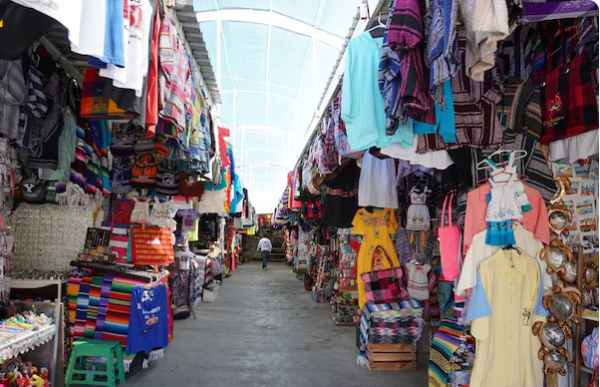
Despite a massive volume issue, efforts are being made to address this, although they are proceeding slowly. The OR Foundation has been working with local traders, recording the problem, and advocating for broader producer responsibility laws in the EU and the UK. Import restrictions have been discussed in Ghana itself. Although enforcement at the scale of Kantamanto remains a practical difficulty, the EU’s new garbage Shipment Regulation, which went into effect in 2024, aims to restrict definitions of what can lawfully be sent as “secondhand goods” vs regulated garbage. Simply said, no one regulatory action can swiftly reroute the volume.
