

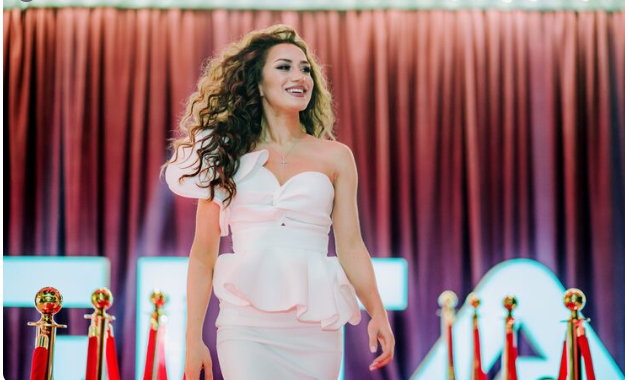
On May 21, Queen Miami Beach was the type of location that seemed a little out of step with the technology it was being asked to honor. Warm light, a room full of people in fantastic attire, the special spirit of an industry gathering when everyone is simultaneously watching what everyone else is wearing. A ceremony celebrating designers who had spent months creating collections that they showcased inside AI-generated virtual environments—digital realms where the runway itself could be anything the software and the designer’s imagination agreed upon—was at the heart of it all.
On May 21, 2026, Miami Fashion Week held its first Virtual Fashion Awards gala, which brought together designers and fashion leaders from across the world for an evening focused on innovation, technology, and the changing possibilities of fashion presentation. In an industry still figuring out where digital tools fit in relation to the physical experiences that initially shaped fashion’s ethos, the event was purposefully pitched as a supplement to the organization’s October physical week rather than a replacement for it. Fernandez-Velasco, the director of MIAFW, was clear about this, referring to AI-powered formats as “a complementary tool” as opposed to a replacement.
A coveted runway spot at Miami Fashion Week in October 2026, mentorship, editorial coverage in MIAFW’s annual magazine, and participation in the Fitting Room by Miami Fashion Week retail pop-up experience were all part of Jhoan Sebastian Grey’s prize for winning the evening’s top honor, Best Virtual Fashion Show.
Yas Gonzalez won Best Brand Narrative, and Vero Diaz won Best Creative Direction, two more honors that highlighted unique creative skills. Beatriz de la Cámara, Yenny Bastida, Seta Apparel, ByMerveDundar, Jonathan Hayden, Jacqueline Then, and Vero Diaz were among the finalists, each of whom debuted a unique AI-powered virtual presentation set within immersive digital settings. The talent participating was truly international.
The trophy had a different weight than the typical engraved plaque or glass award because the prize statuette itself was a sculptural bronze piece made especially for this first edition by sculptor Ada Da Silva, an artist whose work is outside the fashion industry. Although it’s a minor detail, MIAFW’s decision to commission original sculpture rather than produce a generic piece revealed how seriously they intended to handle this new category.
Barbara Hulanicki, who pioneered the democratization of fashion through mail-order retail decades before the emergence of digital commerce, was honored with a special tribute on the evening. For an occasion that otherwise focused solely on what was to come, its tribute acted as a sort of historical anchor. In order to make fashion accessible to those who couldn’t travel to London, Hulanicki created Biba in the 1960s. This is a new technology for the same instinct that is currently driving digital runways. The nod was earned, but it wasn’t subtle.
The Miami Fashion Institute presented a capsule collection honoring the United States’ 250th anniversary as a spectacular conclusion. After an evening centered around the notion that fashion presentation has room to expand beyond the physical constraints that have defined it for more than a century, it served as a closing note. It’s the kind of programming choice that fashion events occasionally make to anchor themselves to a broader cultural moment.
Depending on how the October physical week goes and whether the digital format finds a large enough audience to support a dedicated awards framework, the Virtual Fashion Awards may or may not become a regular event. At the very least, the first edition presented a strong argument for the question’s merit.
