

Not too long ago, a hoodie with the Supreme box logo made sense as a financial tool. You would get up at six in the morning, battle through a bot-infested online drop, possibly lose, possibly win, and by Thursday, you would have something worth two or three times what you paid for it. There was a logic to the entire ceremony, even a sense of community surrounding it. In long lineups outside the Lafayette Street store, people made true friendships. That was important.
Technically, it still matters. However, the lineups are shorter. The mid-tier hype pieces’ StockX resale valuations have been adjusted. Talking to people who were deeply ingrained in the society five years ago gives you the impression that something has subtly changed and that something more intriguing but more difficult to identify has taken its place.
The hypebeast idea was straightforward: demand is driven by artificial scarcity, which in turn promotes resale value, which in turn drives cultural cachet. Supreme, Yeezy, BAPE, Off-White—these companies created significant commercial empires based on a concept that, looking back, seems almost blatantly obvious. Make less than you are able to sell. Allow zeros to be added by secondary markets. Let the logo take care of the rest. It operated flawlessly for roughly ten years. Then, at about the same time, a number of things went wrong.
It included resale bots. The seeming fairness of the system crumbles when automation can buy out a whole drop before a human is done clicking. Algorithms acting solely for financial gain routinely outbid the community of enthusiastic collectors—people who actually cared about the culture, knew the references, and understood what made a specific collaboration noteworthy. The excitement of the hunt turned into a frustrating exercise. The cultural signal shifted at some point during that. For some young people, wearing something that cost 400% more than retail began to seem more like being played than winning.
Around the same time, logo fatigue started to occur. On the surface, it began to appear paradoxical that you would convey individuality and taste by donning a brand name that thousands of other people were wearing at the same time. Gen Z in particular developed a more sophisticated critical eye sooner than the industry anticipated since they had almost limitless access to fashion photos online growing up. The move that gained credibility was thrifting. Discovering a 1994 deadstock Carhartt jacket or an old Helmut Lang piece conveys ideas that a new Supreme drop just doesn’t anymore: patience, study, and a unique perspective that isn’t available on a drop page.
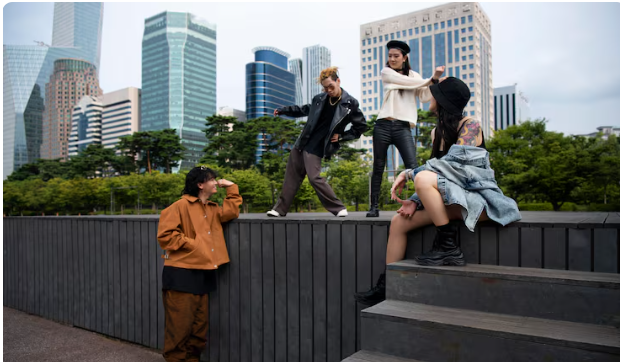
In 2026, the brands who are embracing this change are those that are creating genuine communities instead than manufacturing desires. One of the fastest-growing streetwear brands in Europe, Nude Project is a Spanish company that sells out due to a real affection for its products rather than arbitrary boundaries. Instead of updating release pages, buyers in 2026 are investigating fabric weight and fill power ratings. In streetwear forums, the question “did you cop?” has given way to “what’s the GSM?” This seemingly insignificant shift reflects a fundamentally changed consumer-product relationship.
