

On a Tuesday morning, if you stroll through Fitzroy or Collingwood in Melbourne, you may notice something that doesn’t quite fit the stereotype of a city going to work. A man wearing a double-breasted linen suit with perfectly fitted wide lapels and tattoos that peek out from his collar and vanish under a clean white pocket square. He has coffee with him. He appears to be heading somewhere intriguing. Most likely, he is.
This isn’t just a matter of taste. Though the men who embody it would probably object to that term, it’s more akin to a philosophy.
Over the past ten or so years, Melbourne has quietly witnessed the resuscitation of an ancient tradition that has been transformed into something uniquely local. Historically associated with 18th-century Europe, the dandy has found a new home in a city that seems almost designed for this kind of esthetic rebellion (think Beau Brummell and his obsessive attention to fit and fabric). Melbourne’s version also includes tattoos.
Rigidity was essential to the historical dandy. Clothing, color, and posture guidelines. Melbourne’s version completely undermines that. Here, a silk tie is positioned above a heavily tattooed neck. A well-groomed beard is framed by a flawlessly faded barbershop cut. Hand-stitched leather oxfords are placed next to houndstooth pants. The contrast, the purposeful collision of what is meant to be subversive and what is meant to be refined, is the whole point. It’s possible that this tension is precisely what gives the look its visual and symbolic appeal.
This movement seems to be fundamentally a rejection. A sort of erasure was required by the corporate uniform, which included an ill-fitting charcoal suit, a simple tie, and a smoothed-down anonymity. Put this on, blend in, and show that you are compliant.
Professional men took that deal without question for generations. The number of new dandies in Melbourne has steadily decreased. They have made the case that ability and uniqueness don’t have to be pitted against one another by adopting bespoke tailoring and combining it with the obvious indicators of lives lived outside of convention.
Melbourne is most likely the ideal location for this. Its climate encourages layering, including knitwear, waistcoats, and overcoats, giving the wardrobe more options than Sydney’s heat ever would. Additionally, the architecture is helpful. Hidden bars, independent coffee roasters operating out of converted warehouses, and historic brick lanes all create an environment that encourages a certain kind of thoughtful, slightly theatrical self-presentation. In a way that isn’t always the case elsewhere, you can see what people are wearing here.
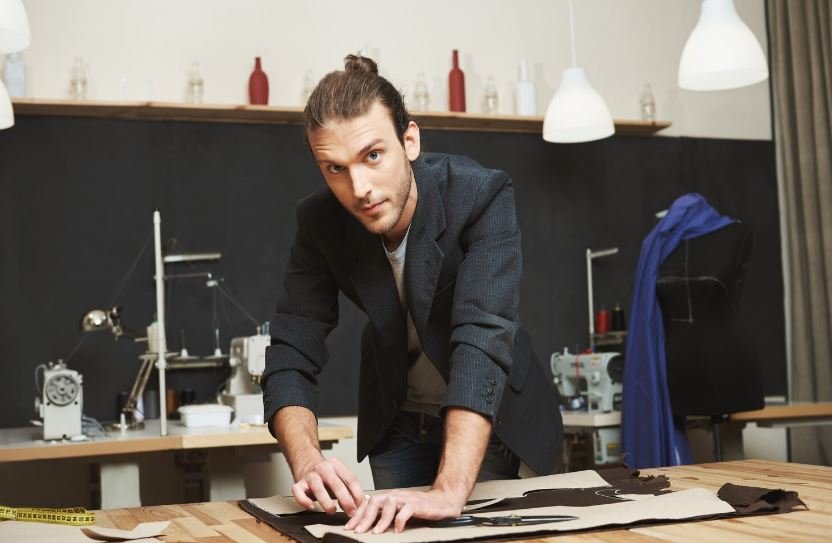
The infrastructure is also present in the city. Premium tattoo parlors have flourished alongside bespoke tailoring businesses, and it’s not uncommon for the same individual to be a client of both. Men who want suits that fit and have meaning, rather than just fitting a dress code, have developed a loyalty to the city’s local tailors. The idea that things worth having are worth doing well seems to be linked to the craftsmanship.
Research from the University of Western Australia found a few years back that visible tattoos no longer disadvantage workers in employment or wages in the way many assumed. Perhaps more quickly than most corporate HR departments have realized, society’s tolerance has changed. The dandies of Melbourne appear to have predicted this before the data caught up.
Although it may appear that way from the outside, dandyism has never been solely about vanity. As a form of protest against poverty, the Congolese Sapeurs dress immaculately. Black dandies in America asserted their dignity in a society that was determined to deny it by using the sharpness of a fitted suit. The Melbourne version has a different set of circumstances, but it shares the same idea—that clothing can be more than just an outfit.
Where it goes from here is still genuinely unclear. These kinds of movements either stay loose enough to continue evolving or calcify into their own set of rules, becoming the new conformity they initially rejected. For the time being, it still appears to be the latter when passing a Melbourne laneway cafe on any given morning. Each of the suits is unique. Different stories are told by the tattoos. The men don’t appear to be adhering to a uniform. They appear to have made a decision. Perhaps that’s the whole point.
