
One well-known comment about the LGBT subculture is that nightclubs, not designers, were the source of its dress. Most likely, Charles Jeffrey would concur. LOVERBOY, his brand, didn’t begin with a studio or a business plan. When he required money to complete his master’s degree at the Royal College of Art in 2014, he decided to host a club nite at Vogue Fabrics, a high street location that had established itself as a dependable hub for East London’s LGBT artists community. It all began with a party in a Dalston basement. The attendees dressed whichever they pleased. They had a remarkable desire.
The finest framework for comprehending what LOVERBOY is is still that club nite, which served as the basis for all that happened after. Instead of starting a brand and then finding a community, Jeffrey started a community first, and the brand evolved out of it. His cast, collaborators, and finally models were the artists, drag queens, performers, and gender-fluid regulars that comprised Vogue Fabrics. The original runway shows weren’t actually runway shows at the time. These were dramatic events, with live music, wrestling match cabarets, and spectacles that brought fashion closer to performance art than the subdued march of a regular presentation. The reason the clothing moved was not because a model had been trained to walk a certain manner, but rather because the people wearing it were performers.
It’s worth examining Jeffrey’s use of tartan. Although he was up in Glasgow and has Scottish ancestry, the cloth in LOVERBOY’s hands is hardly identifiable in its original shape. The tartan becomes something new when it is stretched, distorted, coated with metallic finishes, or blown up in scale until the plaid reads more like an abstract design than a clan identify. Jeffrey adds additional meaning to the protective fabric, which is still dense, warm, and traditionally worn in tough highland environments.
The concept of “queer armor“—clothing that establishes a visible identity, declares allegiance, and provides something to stand for—appears frequently in discussions of the business and in Jeffrey’s own remarks about it. That is not the same as the other survival tactic of using clothing as concealment. On the other hand, LOVERBOY’s rendition is so obvious, so intentional, and so well-developed that the appearance itself serves as a kind of defense.
The LOVERBOY aesthetic’s combination of aggressiveness and whimsy isn’t a coincidence or a conflict the company is attempting to settle. A particular emotional register that gay nightlife culture has always recognized is reflected in punk outlines adjacent to cartoonish creatures, such as violent hardware next to something that appears to have escaped from a fairy tale or googly eyes on a structured jacket. Joy as a political stance. Being playful is a refusal to be diminished. These are not subtle statements disguised as fashion; rather, they are statements disguised as fashion that are wholly focused on what it means to be a queer person in the modern world.
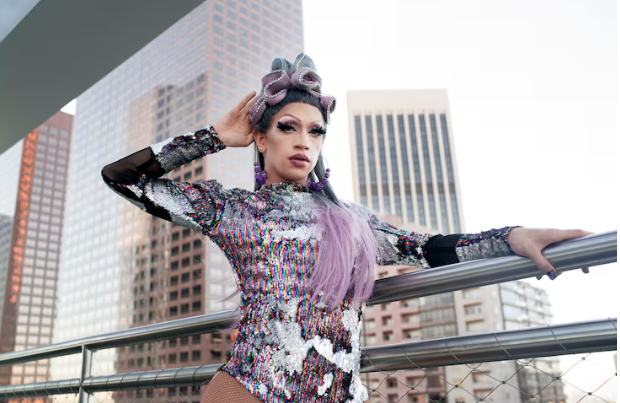
The British Fashion Council has continuously supported Jeffrey, who won the ANDAM Fashion Award in 2019. This has helped maintain the brand’s financial viability while allowing it to operate on its own creative terms without caving in to the demands of the mass market. The community is genuine, the shows are still events rather than presentations, and the clothing still has the appearance of having been created by someone who thinks fashion has something to say beyond the seasonal. These are the ways that LOVERBOY is still truly autonomous.
