

You’ll find the same cast in practically every fashion campaign these days: a twenty-something with a social following and good bones, dressed in something purposefully unsuitable. When you think about who’s really paying for all of this, it’s really startling. The answer, which is increasingly backed by empirical evidence, clearly points to women in their forties, fifties, and sixties—a group that fashion has deliberately ignored for years.
Born roughly between 1965 and 1980, Gen X women are currently at the height of their earning potential. Despite making up only 19% of the US population, Gen X accounts for 31% of all retail spending, according to ICSC research. It’s not a rounding error. The industry has decided to ignore this structural reality in favor of pursuing a generation that currently has significantly lower household wealth and spending per transaction.
The way this transpired is especially ironic. Convinced that cultural loudness equated to commercial power, brands invested a lot of money in learning TikTok algorithms and hiring Gen Z influencers. It isn’t. Revenue is the focus of one, while visibility is the focus of the other. It’s possible that the fashion industry, which is renowned for emphasizing appearance over content, misled itself in this instance.
Demographic factors contribute to the explanation: Gen X is a smaller generation that is positioned between the vast Millennial wave and the massive Boomer cohort. Retailers calculated that larger audiences would result in higher profits, which was a fairly reasonable but ultimately misguided conclusion. Spending per person, however, presents a very different picture.
When it comes to spending per transaction on clothing, home goods, dining, and wellness, Gen X is in the lead. Additionally, this group has a substantial financial runway ahead of them, with an estimated $1.4 trillion in annual inherited assets projected over the next ten years.
The presumption that older women don’t use social media or shop online is subtly ingrained in many marketing strategies, which makes the oversight more difficult to justify. This is just not supported by the data. Approximately 92% of Gen Xers use social media on a daily basis. They use Amazon with a clear-eyed efficiency that younger shoppers seldom match, and they shop seamlessly across physical stores and digital platforms. They frequently conduct online research before making in-person purchases. They are aware of what they want, know where to look for it, and frequently pay the full price for it.
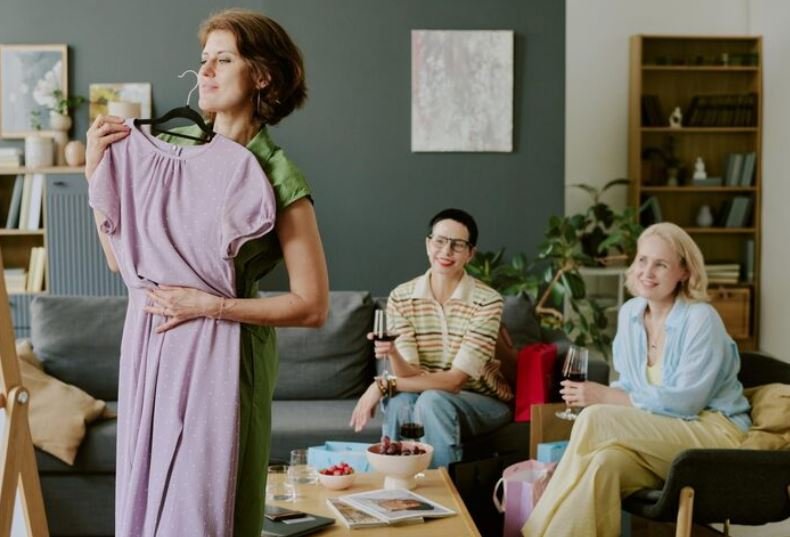
An even more noticeable issue affects older women who have reached their sixties. For years, research studies and publications in the fashion industry have produced in-depth analyzes of Gen Z and Millennial behavior, with comparatively little thought given to what drives consumers over the age of fifty or sixty. However, in developed economies, women in that group—especially Baby Boomer women—control a sizable amount of personal wealth and typically have fewer financial obligations straining it. There is actual disposable income. There is a genuine interest in craftsmanship and quality. Once earned, loyalty is just as genuine.
That final point is worth pausing on. Compared to their younger counterparts, Gen X and older women shop in ways that should be appealing rather than inconvenient. Influencer drops and trend cycles have less of an impact on them. They perused lists of ingredients. They want to know what they are purchasing and why the cost is justified. The relationship usually lasts once they discover a brand that gains their trust. According to ICSC research, an 81% brand loyalty rate is the kind of figure that most marketing directors aspire to, but the campaigns meant to foster that loyalty hardly ever include faces that resemble their own.
This has a more subdued aspect that is more difficult to see in spreadsheets. When they browse through brand content or enter stores, women over forty have reported feeling invisible. One industry voice stated, “We’re not feeling like brands are ever talking to us,” and this group has identified and noted the feeling of being talked past rather than to. Brands that are starting to bridge that gap—whether through informed salespeople, relaxed retail spaces, or sincere product messaging based on these women’s real-life circumstances—are gaining significant traction.
The math was never very difficult. Instead of measuring wallets, fashion has spent years optimizing for the wrong variable—cultural noise. Slowly, that is starting to change as a few brands recognize what has been there all along. Whether the industry as a whole catches up before this generation just stops giving it the chance is the question.
